

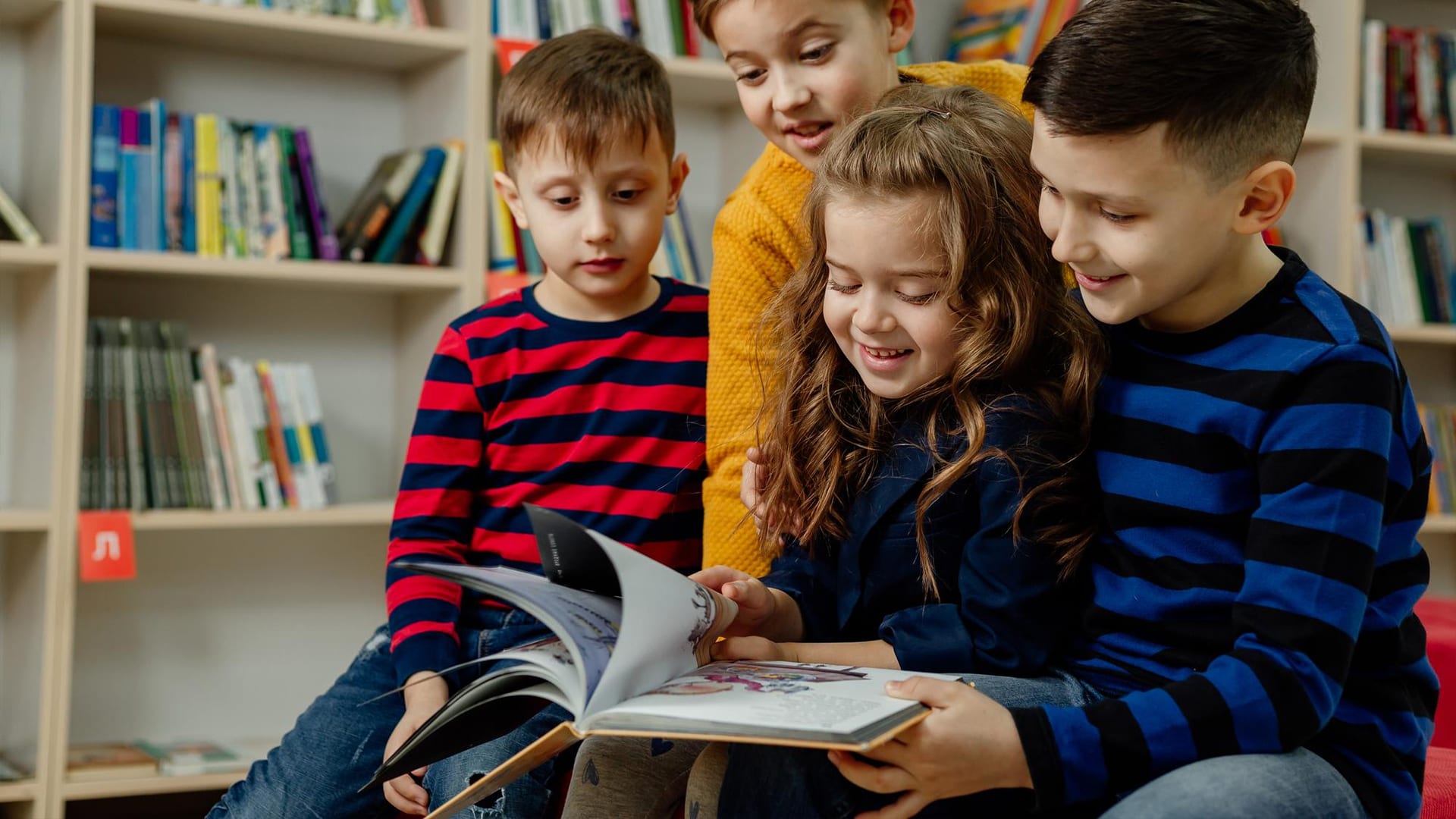
Children’s books hold a special place in the world of storytelling. They shape young imaginations, introduce lifelong lessons, and create some of the warmest memories families share. But behind every colorful page and heartwarming character, there is an author trying to figure out how to bring that story to life.
If you’re one of those authors, you’ve probably already discovered that publishing a children’s book is very different from publishing any other genre. Unlike novels or nonfiction titles, children’s books often rely heavily on illustrations, color printing, specific page layouts, and impeccable formatting. Even a small mistake can impact the reading experience.
That’s why partnering with a company that provides the best children’s book publishing services can make all the difference. At Fleck Publisher, we understand the unique challenges of children’s literature and offer hands-on guidance so your book turns out exactly as you imagined.
In this guide, we’ll walk you through what makes kids’ books special, show examples of some of the most beloved children’s stories of all time, and break down how Fleck Publisher can help you publish your own.
Why Children’s Books Require Special Attention
Children’s books aren’t just “shorter books.” They’re crafted with purpose. The layout, the pacing, the artwork, the text size, the colors, and even small design choices influence how a child understands the story.
Here’s what makes them unique:
1. Illustration-Heavy Pages
Most children’s books rely on illustrations as the core of the storytelling. That means:
- High-quality image resolution
- Proper color formatting
- Correct bleed settings
- Precise placement of text and art
These details need professional attention to make sure every page feels magical.
2. Age-Specific Structure
A picture book for toddlers reads completely differently from a chapter book for 9–10-year-olds. Fonts, vocabulary, page count, and layout must match the age group.
3. Durable Printing
Parents and educators need books that can survive sticky hands, backpacks, and repeated reading. High-quality binding and strong paper stocks matter more in kids’ literature than most genres.
That’s why so many new authors rely on companies that offer the best children’s book publishing services, because experience with kids’ books is essential.
Fleck Publisher’s Favorite Children’s Books of All Time
Instead of focusing on competitors’ titles, we’re highlighting a mix of timeless classics and modern favorites that show the range and creativity possible in children’s publishing. These examples can inspire you as you develop your own story.
Here are 7 beloved kids’ books across different age groups:
The Very Hungry Caterpillar — Eric Carle
This timeless classic has charmed young readers for more than 50 years. Eric Carle’s signature collage-style illustrations bring the little caterpillar’s journey to life through bright colors, playful textures, and simple patterns that even toddlers can follow.
The book teaches early learning concepts such as counting, days of the week, colors, and healthy eating. Its predictable rhythm, cut-out pages, and transformation theme make it not just entertaining, but educational.
It’s an excellent example of how a simple storyline paired with bold, imaginative artwork can create a memorable reading experience for very young children.
Goodnight Moon — Margaret Wise Brown
Often called the ultimate bedtime story, Goodnight Moon uses soft illustrations and calming, repetitive language to settle children into a peaceful sleep routine.
Its gentle pacing helps children wind down while encouraging them to notice familiar objects in their surroundings. The book’s simplicity is what makes it powerful; kids connect to the warmth and comfort of “saying goodnight” to the world around them.
This classic shows future authors how rhythm, atmosphere, and emotional tone can matter even more than plot in early childhood storytelling.
Where the Wild Things Are — Maurice Sendak
Maurice Sendak’s masterpiece blends imagination and emotional depth in a way that resonates with both children and adults.
The story follows Max as he sails to a land of mysterious creatures, becoming “king” of the Wild Things before realizing the importance of home and love.
Its illustrations are expressive, dark yet whimsical, and layered with symbolism. The book teaches emotional awareness, independence, and the comfort of returning to family.
It’s a strong example of storytelling that respects children’s emotional complexity while still being approachable and magical.
The Day the Crayons Quit — Drew Daywalt & Oliver Jeffers
This modern favorite uses humor and creativity to bring everyday objects, such as crayons, to life. Each crayon writes a “letter” to Duncan, explaining their frustrations, wishes, or complaints.
The playful format encourages children to think about emotions, fairness, and perspective-taking in a lighthearted way.
The art style is intentionally childlike, which makes kids feel connected to the characters. This book is a great reminder that innovative ideas, even simple ones, can spark imagination when executed with charm and clarity.
The Gruffalo — Julia Donaldson
Known for its clever rhymes and rhythmic storytelling, The Gruffalo follows a mouse as he bravely navigates the forest by outsmarting predators with stories of a mysterious creature.
The pacing keeps children engaged from start to finish, while the repetitive rhyme patterns help early readers develop language skills.
The book also introduces themes like bravery, intelligence, and strategic thinking.
It’s a perfect example of how rhyme, repetition, and creativity can work together to make a story both educational and entertaining.
The Magic Tree House Series — Mary Pope Osborne
This popular early chapter book series is designed for curious young readers transitioning from picture books to longer stories.
Jack and Annie travel through time using the magical tree house, exploring historical periods, famous figures, and exciting adventures.
The writing is simple enough for kids yet rich with knowledge, making it ideal for educational reading.
Its success shows authors how engaging characters and a clear episodic structure can keep children reading book after book.
Last Stop on Market Street — Matt de la Peña
This award-winning picture book blends meaningful storytelling with gentle social themes.
It follows CJ and his grandmother on a bus ride through the city, highlighting gratitude, mindfulness, and seeing beauty in everyday life.
The illustrations are vibrant and expressive, capturing both the warmth of community and the simplicity of childhood wonder.
This book demonstrates how authors can explore deeper messages in ways that are approachable and inspiring for young readers.
Each of these books shows a unique approach to writing and illustrates how flexible and diverse the children’s genre can be.
Fleck Publisher is here to guide you through writing, illustrating, formatting, printing, and publishing your children’s book with confidence.
How to Publish Your Children’s Book Successfully
Publishing a children’s book requires a series of steps that go beyond writing. To help you stay on track, here’s a breakdown of what most authors go through on their publishing journey:
1. Plan Your Illustrations Thoughtfully
Illustrations are the heart of children’s literature. Even simple sketches must match the tone, pacing, and personality of your story.
Ask yourself:
- Will your book be full-color or grayscale?
- Should you use full-page spreads or spot illustrations?
- Do your characters have consistent designs?
- Is the imagery appealing and engaging for your age group?
Working with an illustrator who understands kids’ literature is essential. This is one reason many authors search for the best children’s book publishing services, because not every illustrator knows how to prepare files for print.
2. Get Professional Formatting
Formatting children’s books is more complicated than adding text to a page. You must consider:
- Bleed and trim margins
- Placement of images
- Spacing for text
- Readability
- Page flow
Professional formatters ensure your story moves smoothly from one page to the next, and nothing looks awkward or misaligned.
3. Review Your Proofs Carefully
This is the stage many authors underestimate. Proofs help you catch:
- Text errors
- Color issues
- Printing mistakes
- Misaligned artwork
- Spacing problems
Children spot visual inconsistencies quickly, so accuracy matters. You may need several rounds of proofs, and that’s completely normal.
4. Choose the Right Printer
The quality of your printed book affects how parents, teachers, librarians, and bookstores view your story. Books for kids need durable materials, vibrant colors, and clean printing.
This is another reason the best children’s book publishing services matter: they ensure your final product looks professional and long-lasting.
Turn Your Story Into a Beautiful Children’s Book
Every great children’s book begins the same way: with a story worth sharing. Whether your idea is humorous, heartfelt, adventurous, or educational, you can turn it into a book that inspires young readers.
And you don’t have to do it alone. If you’re ready to bring your story to life, reach out today.