

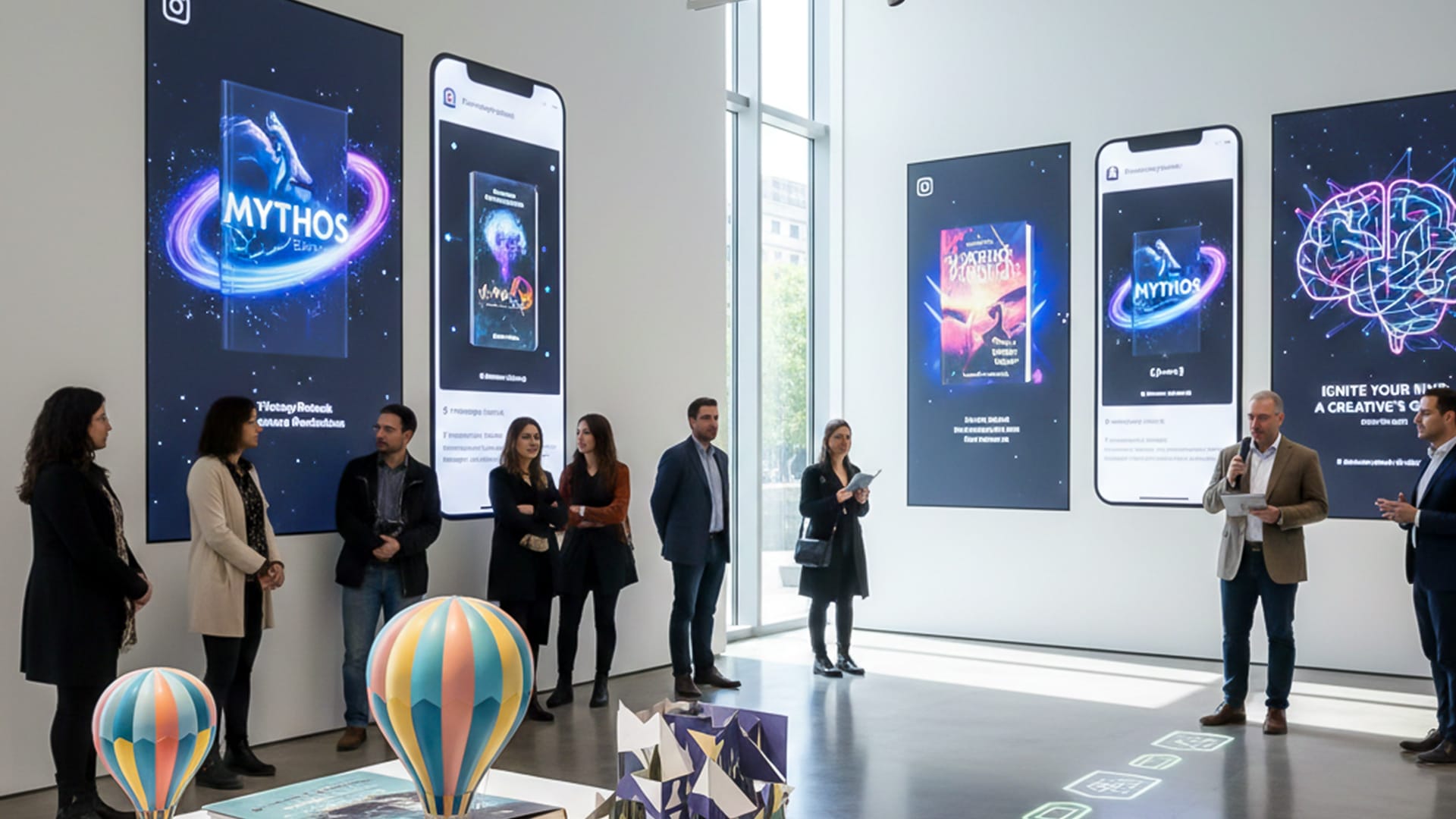
Most authors think marketing starts after the book is published.
In reality, marketing starts much earlier, often before the book ever reaches a reader’s hands. It starts with how the book looks, how it presents itself, and how easily someone can recognize it as something worth paying attention to.
Creative design plays a much bigger role in book marketing than many authors expect. It shapes first impressions, influences trust, and quietly decides whether a book blends in or stands out. Before a reader reads a single line, design has already spoken for it.
This is true whether the book is sold in a bookstore, online, or promoted through newer channels like social media. Even platforms that seem content-driven still depend heavily on visuals. That includes places authors may not immediately think of, such as TikTok book marketing, where design choices often decide which books get noticed and shared.
Why Design Is Often Misunderstood In Book Marketing
Many writers see design as decoration. Something added at the end. A cover to make the book look nice.
But creative design is not about decoration. It is about communication.
Design answers questions readers never ask out loud:
- What kind of book is this?
- Who is it for?
- Is it professional?
- Does it feel current?
- Can I trust it?
If design sends unclear or conflicting signals, marketing struggles no matter how strong the content is.
This is why books with excellent writing sometimes fail to gain traction. The story may be powerful, but the presentation does not invite curiosity.
First Impressions Still Decide Everything
Readers make decisions quickly. Often in seconds.
They scroll through online listings. They glance at covers. They skim thumbnails. They judge without realizing they are judging.
Creative design controls that moment.
A strong design:
- Stops the scroll
- Signals genre clearly
- Feels intentional
- Suggests value
A weak design:
- Looks amateur
- Feels outdated
- Confuses the audience
- Gets ignored
Marketing efforts cannot overcome a poor first impression. They can amplify interest, but they cannot create it from nothing.
Cover Design As The Foundation Of Book Marketing
The book cover is the most visible design element. It appears everywhere.
- On retail platforms
- On social media
- In ads
- In reviews
- In recommendation lists
It becomes the face of the book.
A well-designed cover does not try to explain everything. It focuses on mood, tone, and genre alignment. It gives readers a reason to pause.
When authors invest in creative cover design, marketing becomes easier. The book already looks like it belongs.
Interior Design Also Affects Marketing Outcomes
Interior design rarely gets discussed in marketing conversations, but it matters more than people think.
Readers who open a book and feel comfortable reading it are more likely to:
- Continue reading
- Finish the book
- Leave positive reviews
- Recommend it to others
Design choices like spacing, font selection, and layout affect readability. Poor interior design leads to fatigue and frustration.
Marketing does not stop at the sale. It continues through reader experience. Creative design supports that experience quietly but powerfully.
Design Consistency Builds Author Recognition
Authors who plan long-term careers benefit greatly from consistent design.
When covers, typography, and visual style align across multiple books, readers begin to recognize the author instantly. That recognition reduces friction in future marketing.
Design consistency:
- Builds trust
- Signals professionalism
- Strengthens brand identity
- Makes promotions more effective
This matters whether the book is promoted through newsletters, ads, or visual platforms like TikTok book marketing, where consistency helps audiences remember an author’s work.
How Creative Design Supports Modern Marketing Channels
Book marketing is no longer limited to bookstores and reviews. Visual platforms play a growing role.
Creative design adapts the book to different environments:
- Online marketplaces
- Social feeds
- Video thumbnails
- Promotional graphics
- Author websites
On visual-first platforms, the book must still communicate quickly. Even short clips or still images depend on strong design foundations.
For example, in TikTok book marketing, covers often appear briefly in videos. If the design is unclear or cluttered, viewers scroll past without noticing the title or author.
Design does not replace content on these platforms. It supports it.
Design As A Trust Signal For New Authors
First-time authors face a credibility challenge.
Readers do not know them. Reviews may be limited. Social proof may be minimal.
Design becomes a stand-in for trust.
A professionally designed book signals:
- Serious intent
- Care and effort
- Respect for readers
- Publishing standards
This does not mean expensive or flashy. It means thoughtful and appropriate.
Readers are more willing to take a chance on an unknown author when the book looks professionally made.
Marketing Campaigns Depend On Adaptable Design
Marketing rarely uses one image or one format.
Promotions require:
- Square images
- Vertical images
- Banner layouts
- Social-friendly visuals
- Print-ready assets
A book designed with adaptability in mind is easier to promote.
Creative design that considers marketing use cases saves time and prevents rushed visuals later. This flexibility supports long-term campaigns instead of one-off promotions.
Emotional Connection Starts With Visuals
Readers choose books for emotional reasons.
They want to feel something before they commit.
Creative design sets emotional expectations:
- Calm
- Tension
- Curiosity
- Comfort
- Urgency
Good design aligns emotional tone with content. When those match, marketing feels honest.
When they do not match, readers feel misled.
Design is not just about looking good. It is about emotional accuracy.
Why Some Books Struggle Despite Heavy Promotion
Some books receive plenty of promotion but still fail to gain momentum.
Often, the issue is not effort. It is alignment.
Marketing messages say one thing. Design says another.
For example:
- A serious topic with a playful cover
- A light story with heavy typography
- A modern theme with dated visuals
These mismatches confuse readers.
Creative design helps marketing by reinforcing the same message across every touchpoint.
Social Sharing Favors Visually Strong Books
Readers share books they are proud to show.
They post photos. They include covers in recommendations. They feature books in videos and posts.
Visually appealing books get shared more often, especially on image-driven and video-driven platforms.
This is where creative design quietly boosts organic reach. When a book looks good on camera or in photos, readers do part of the marketing themselves.
This effect is visible across platforms, including TikTok book marketing, where visually appealing books appear more frequently in user-generated content.
Design Affects Pricing Perception
Design influences how much a book feels worth.
A poorly designed book feels cheaper, regardless of price. A well-designed book feels valuable, even at higher price points.
Readers associate visual quality with content quality. This perception affects buying decisions and willingness to recommend.
Creative design supports pricing strategy by reinforcing value.
Long-Term Marketing Benefits Of Strong Design
Marketing campaigns come and go. Design stays.
A book with strong creative design:
- Ages better
- Remains relevant longer
- Requires fewer redesigns
- Supports future editions
This longevity reduces marketing friction over time.
Authors who invest in design early often find later promotions easier and more effective.
The Role Of Creative Design In Author Platforms
An author’s platform includes more than books.
- Websites
- Social profiles
- Email newsletters
- Promotional materials
When book design aligns with the author’s broader visual presence, marketing feels cohesive.
Readers move from book to platform without feeling disconnected.
Design creates continuity across the author’s public presence.
When Creative Design Is Overlooked
Creative design is often rushed near deadlines.
Authors focus on editing, publishing logistics, and launch dates. Design becomes a final step instead of a strategic one.
This is understandable but costly.
Marketing built on rushed design struggles to gain traction. Fixing design later is possible, but early impressions cannot be undone.
Treating design as part of marketing planning improves outcomes significantly.
How Fleck Publisher Approaches Creative Design
At Fleck Publisher, creative design is not treated as decoration or trend-following.
Design decisions are made with readers and marketing in mind. Covers, layouts, and visual elements are created to support discoverability, trust, and long-term promotion.
Whether a book is promoted through traditional channels or modern approaches like TikTok book marketing, design is planned to adapt and perform across platforms.
The goal is simple. Help books communicate clearly before a single word is read.
To Summarize
Creative design is not optional in book marketing. It is foundational.
Before ads, before social posts, before recommendations, design decides whether a book earns attention.
Strong creative design:
- Shapes first impressions
- Builds trust
- Supports marketing across channels
- Encourages sharing
- Reinforces value
Even in fast-moving spaces like TikTok book marketing, where trends change quickly, the books that perform best are those with clear, confident visual identities.
For authors who want their books to travel further, last longer, and connect more deeply with readers, creative design is not a finishing touch. It is part of the marketing strategy from the very beginning.