

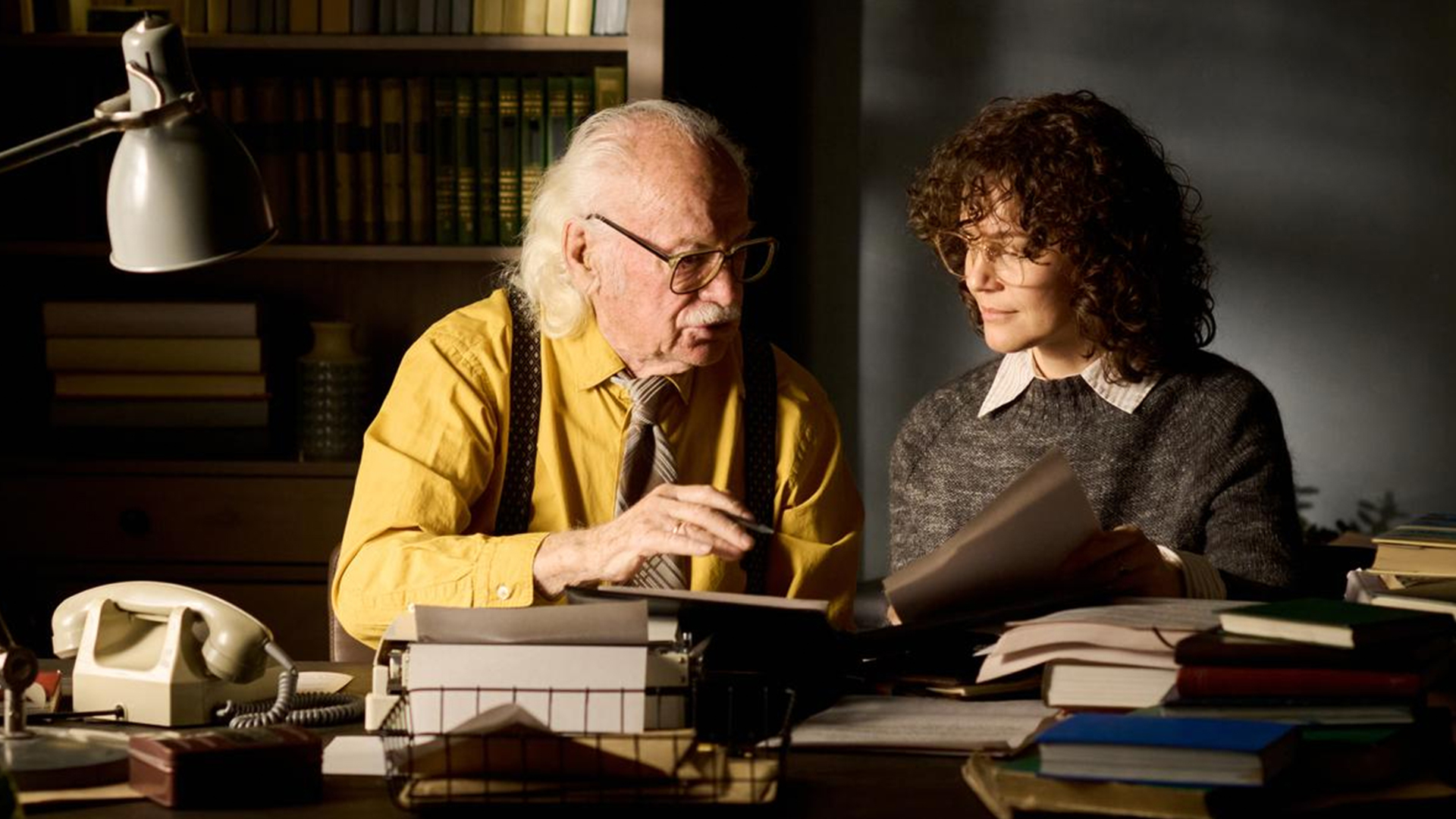
Nonfiction comes with an unspoken promise. The reader expects the people, dates, figures, events, and claims to be accurate.
That does not mean every author must write like a court stenographer. Nonfiction can include opinion, interpretation, memory, and personal experience. Still, any statement that can be checked should be checked.
A single wrong date may look minor. Yet it can make readers question everything else. If the author missed a public record that took two minutes to verify, what else slipped through?
That is why nonfiction fact checking should be treated as part of the writing process, not as a last-minute cleanup task.
What Fact-Checking Really Means in Nonfiction
Nonfiction fact checking is the process of testing claims against reliable evidence.
It asks important questions. Is this statement correct? Is the source trustworthy? Is the quotation exact? Does the evidence support the conclusion?
What Counts as a Verifiable Fact?
A verifiable fact is any claim that can be confirmed through records, sources, or direct evidence.
Examples include:
- Names and spellings
- Dates and timelines
- Job titles
- Locations
- Statistics
- Historical events
- Quotations
- Scientific findings
- Legal claims
- Details about real people
An opinion is different. A writer may call a policy ineffective or a decision unfair. Those are interpretations. However, the facts used to support that opinion still need proof.
Fact-Checking Is Not the Same as Copyediting
Copyediting improves grammar, clarity, consistency, and style.
Proofreading catches surface errors before publication.
Legal review checks for risks such as defamation, privacy violations, or copyright issues.
Nonfiction fact checking focuses on whether claims are true and properly supported.
A sentence can be polished, elegant, and completely wrong. Good punctuation does not rescue a bad fact. It only helps the bad fact look more confident.
Facts, Interpretations, and Disputed Claims
Not every claim has one clean answer.
Historical accounts may conflict. Experts may disagree. Witnesses may remember the same event differently.
In those cases, the goal is not to force certainty. The author should explain the disagreement and show what the available evidence supports.
Words such as "likely,” "according to," and "evidence suggests" can be useful when certainty is not possible. They are not weak writing. They are honest writing.
Why Factual Errors Can Cause Serious Damage
Errors do more than create embarrassing corrections. They can damage trust, reputation, and the central argument of a book.
Readers May Stop Trusting the Entire Book
Readers often judge a book by the errors they can personally spot.
A reader may know the correct date of a major event or the proper spelling of a public figure's name. Once they find a mistake, they may question the rest of the book.
This is why nonfiction fact checking protects more than individual details. It protects the reader's confidence in the whole manuscript.
Errors Can Harm Real People and Communities
Nonfiction often deals with real lives.
A wrong accusation, altered timeline, or misleading description can damage someone's reputation. It can also reinforce harmful stereotypes about a group or community.
The risk becomes higher in memoir, biography, true crime, politics, journalism, and investigative writing.
Authors should be especially careful when describing people who cannot easily respond or defend themselves.
An Author's Professional Reputation May Suffer
A factual scandal can follow an author long after a corrected edition appears.
Reviewers may focus on the mistake. Interviewers may ask about it. Publishers may become cautious about future projects.
Authors also risk losing speaking opportunities, media trust, and reader loyalty.
Accuracy is part of an author's professional identity. Once that trust cracks, repairing it can take much longer than checking the original claim.
Mistakes Can Create Legal and Financial Problems
Some errors carry legal risk.
These may involve:
- Defamation
- Libel
- Invasion of privacy
- Copyright infringement
- False attribution
- Unsupported criminal allegations
A fact-checker is not a replacement for a lawyer. Still, strong verification can identify risky statements before they turn into expensive problems.
Errors Can Weaken the Book's Main Argument
Not all mistakes are small.
Sometimes a weak statistic, broken timeline, or unsupported assumption sits beneath the book's main conclusion.
For example, two events may happen close together. That does not prove one caused the other.
Nonfiction fact checking can reveal when an argument relies on outdated, incomplete, or misunderstood evidence. That may require more than changing a footnote. It may require rebuilding the chapter. Whatever the book needs can be addressed after hiring Fleck Publisher's expert editing services.
Who Is Responsible for a Nonfiction Book's Accuracy?
Many people may work on a nonfiction book. Yet responsibility is often less shared than authors expect.
The Roles of the Author, Editor, Publisher, and Fact-Checker
The author usually carries the main responsibility for the truth of the manuscript.
Editors improve structure, logic, pacing, and clarity. Copyeditors review language and consistency. Legal reviewers focus on legal exposure. Subject experts may assess technical claims.
A professional fact-checker tests claims against sources and records.
These roles may overlap, but they are not interchangeable. An editor may notice a doubtful statement. That does not mean the editor has verified every sentence.
How Responsibility Changes in Traditional and Self-Publishing
Traditional publishers may provide editorial review and, in some cases, legal review. However, many do not independently check every fact.
Authors should ask what the publisher will verify and what remains their responsibility.
Self-published authors must arrange the process themselves. That may include hiring editors, subject experts, legal reviewers, and checkers when needed.
The absence of a publishing house does not lower the reader's expectations. A wrong fact stays wrong, even when the author uploaded the file at midnight from the kitchen table.
Which Parts of a Nonfiction Manuscript Need the Closest Review?
Some claims create more risk than others. These deserve extra attention.
Names, Dates, Timelines, Locations, and Titles
Basic details are easy to underestimate.
Check full names, initials, titles, company names, government agencies, dates, time zones, city names, borders, and the order of events.
Also check whether a person held a specific role at the time described. A current title may not have applied five years earlier.
Statistics, Surveys, Percentages, and Financial Figures
Numbers can look impressive while hiding weak evidence.
Before using a statistic, check:
- Who collected the data
- When it was collected
- How large the sample was
- Which group or region it covered
- Whether the method was reliable
- Whether the figure is still current
Percentages also need context. "Sales doubled" sounds dramatic, but a rise from two sales to four is not exactly a stampede.
Quotations, Interviews, and Transcripts
Quotations should be checked against recordings, transcripts, emails, speeches, or published sources.
Make sure the wording is accurate and the surrounding context has not changed the meaning.
When shortening a quotation, avoid removing words that alter the speaker's position.
For interviews, store recordings and notes securely. Add dates, locations, and consent details while the information is fresh.
Historical, Scientific, Medical, and Legal Claims
Specialized subjects require stronger sources.
Historical claims may need archival documents or established scholarship. Scientific and medical claims should rely on credible research, not a viral post wearing a lab coat.
Legal information should be checked against current laws, official records, or qualified experts. Rules can change by location and over time.
Cause-and-Effect Statements
Writers often mistake sequence for proof.
One event happened, then another followed. That does not automatically mean the first event caused the second.
Look for research, direct evidence, expert analysis, or documented mechanisms before presenting a causal claim.
When the evidence only shows a connection, use words such as "linked,” "associated," or "correlated."
Memories and Reconstructed Scenes in Memoir
Memory is powerful, but it is not a video recording.
Memoir writers may remember dialogue, rooms, weather, and emotional moments differently from other people.
Check memories against letters, photos, journals, calendars, messages, public records, and interviews with others.
When exact dialogue cannot be confirmed, avoid presenting it as a perfect transcript. An author's note can explain how scenes were reconstructed.
A Practical Fact-Checking Process for Nonfiction Authors
Good nonfiction fact checking works best when it begins early.
Waiting until the final proof can make corrections expensive and difficult.
Build a Source Library Before Drafting
Create a clear research system from the start.
Store books, articles, studies, interviews, photographs, legal records, government documents, and archived web pages in labeled folders.
Use file names that make sense later. "final_source_REAL_v7" may feel clear today. Three months later, it becomes a small mystery novel.
Mark Every Checkable Claim in the Manuscript
During drafting, flag claims that need review.
This includes dates, names, figures, quotations, rankings, descriptions, technical statements, and claims about real people.
Some writers use comments, highlights, or tags such as "CHECK" or "SOURCE NEEDED."
The method matters less than consistency.
Use the Strongest Available Source
Not all sources deserve equal trust.
A useful order is:
- Original documents and primary records
- Official data and government sources
- Peer-reviewed research
- Credible books and established journalism
- General websites and summaries
Search snippets, social posts, and AI-generated summaries can help locate sources. They should not become the source.
Verify Quotations and Interview Material
Check every quotation word for word.
Confirm the speaker, date, setting, and original context. Make sure anonymous sources are described accurately and protected according to any agreement.
When a person disputes a quotation, review the recording or written record rather than relying on memory.
Resolve Conflicting Information
Conflicting sources are common.
Compare:
- Publication dates
- Access to firsthand evidence
- Author expertise
- Research methods
- Possible bias
- Corrections or later updates
When no source clearly wins, tell the reader. Presenting uncertainty is better than quietly choosing the version that fits the chapter best.
Maintain a Fact-Checking Sheet
For nonfiction fact checking, a tracking sheet can save hours.
Include:
- The claim
- Chapter or page
- Supporting source
- Link or file location
- Date checked
- Notes
- Final status
This record helps authors, editors, and publishers see what has been confirmed and what still needs work.
Repeat the Check After Major Revisions
Revisions can create new errors.
A paragraph may move to a different chapter. A shortened quotation may lose context. A rewritten timeline may create a contradiction.
Run another review after major structural changes and again before final production.
How to Hire and Work With a Professional Fact-Checker
Some books require outside help, especially when the subject is complex or legally sensitive.
Decide Whether the Whole Book or Only High-Risk Sections Need Checking
A full review may be ideal, but it is not always affordable.
Authors can prioritize:
- Criminal allegations
- Medical or legal advice
- Political claims
- Historical timelines
- Financial data
- Scientific statements
- Claims central to the book's argument
Targeted review is better than no review at all.
Evaluate Relevant Experience and Working Methods
Ask potential checkers about their background.
Have they worked with your genre? Can they review technical material? How do they document findings? Will they contact sources? How do they handle disputed claims?
A strong checker should explain the process clearly and provide organized notes.
Define the Scope, Rate, Timeline, and Deliverables
Put expectations in writing.
The agreement should cover the chapters, word count, types of claims, source contact, payment structure, deadline, revision rounds, confidentiality, and final deliverables.
Also define what is not included. This helps prevent confusion later.
Create a Risk-Based Plan When the Budget Is Limited
Start with the claims that could cause the most damage.
Check allegations, quotations, statistics, health information, legal statements, and the evidence supporting the main argument.
Lower-risk descriptive passages may receive a lighter review.
A limited budget should change the order of work, not remove the need for accuracy.
What Authors Should Do When an Error Is Found After Publication
Even careful books can contain mistakes.
The response matters almost as much as the original error.
Corrections, Errata, Revised Editions, and Reader Communication
First, confirm the mistake and document the correct information.
Then contact the publisher or distribution platform. Ebooks may be updated quickly. Print corrections may appear in later editions or future print runs.
For meaningful errors, publish an errata page or correction notice. Explain what was wrong and what has changed.
Do not quietly edit a major claim and hope nobody notices. Transparency builds more trust than pretending the problem never existed.
Final Thoughts
Nonfiction asks readers to trust the author's version of real people, real events, and real evidence.
That trust must be earned.
Strong nonfiction fact checking protects the reader, the author, the people mentioned in the book, and the argument at the center of the manuscript.
It also improves the writing. Weak claims become clearer. Missing evidence becomes visible. Uncertainty is handled honestly.
A book does not need to pretend that every question has one perfect answer. It does need to show that the author took accuracy seriously.
In nonfiction, facts are not decorative details. They are the floor the entire book stands on.